

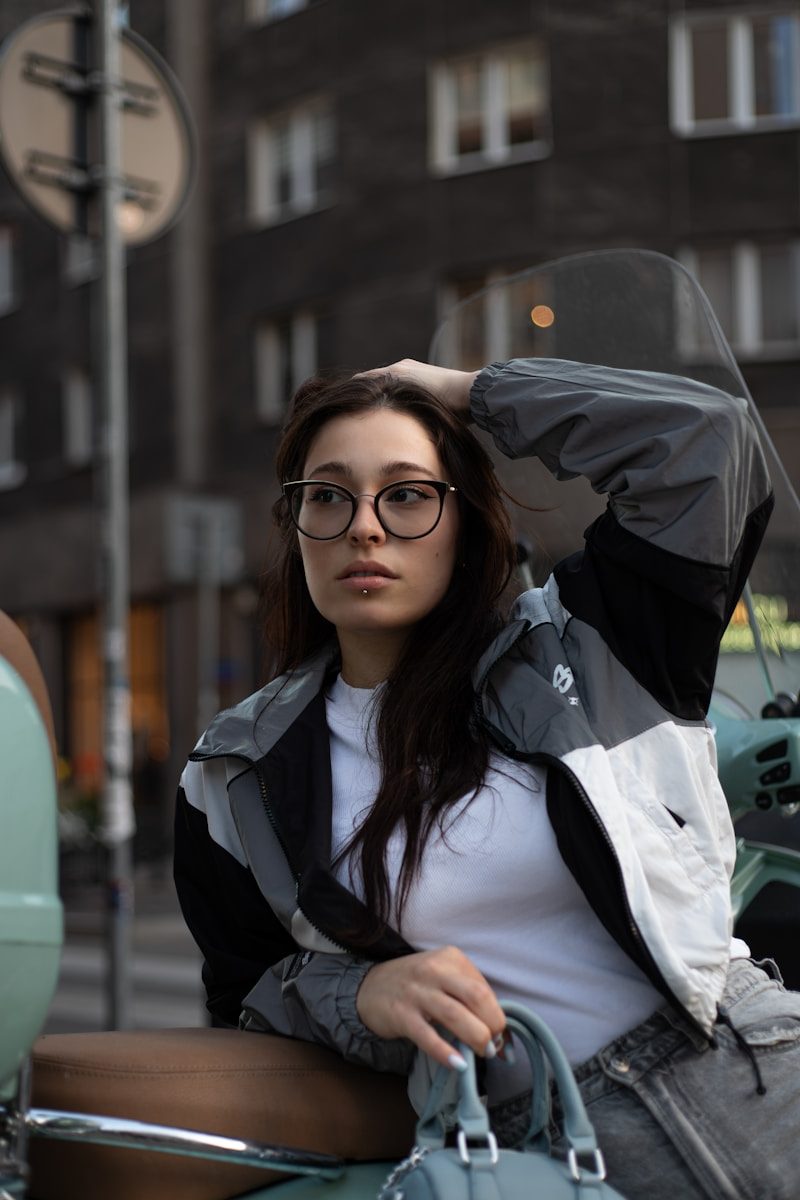
Simple outfits have a special kind of power. They do not rely on loud prints, complicated layering, or dramatic trends to make an impression. Instead, they work through balance, fit, texture, and small details that quietly pull everything together. A white shirt with jeans, a black dress with flats, a knit sweater with trousers, or a plain tee with a blazer may sound basic at first, but when styled well, these combinations can look refined, expensive, and completely effortless.
The difference between a simple outfit and an elevated one is rarely about owning more clothes. It is usually about paying closer attention to the clothes you already wear. A basic look becomes stronger when the fit is right, the fabric looks fresh, the colors feel intentional, and the accessories support the outfit rather than distract from it. Elevation is not about making an outfit busier. In many cases, it is about making it cleaner.
Fit is the first place to start. Even the most ordinary clothing can look polished when it fits properly. A T-shirt that sits neatly at the shoulders, trousers that fall cleanly from the waist, jeans that hit at the right length, and a blazer that gives structure without pulling can change the entire mood of an outfit. Clothes do not need to be tight to look refined. In fact, relaxed silhouettes often look more modern when they are balanced carefully. The goal is not perfection, but intention. When clothes look like they belong on your body, the whole outfit feels more expensive.
Tailoring is one of the easiest ways to elevate simple pieces. A pair of trousers hemmed to the right length or a blazer adjusted slightly at the waist can make everyday clothing look custom. Many people overlook tailoring because they think it is only for formal wear, but small adjustments can transform basics. A simple black dress can look sharper when the straps sit correctly. A button-down shirt can look more elegant when it is not too oversized or too tight. Even jeans can look more polished when the length works with your shoes.
Fabric also matters. Simple outfits rely heavily on texture because there are fewer design details competing for attention. A plain cotton tee, crisp poplin shirt, soft cashmere sweater, linen blouse, wool coat, silk skirt, or structured denim piece all communicate something different. When the fabric has weight, movement, or softness, the outfit feels more considered. Cheap-looking fabric can make even a good design fall flat, while a clean, well-kept material can make a basic silhouette feel special.
Color is another quiet tool. Neutral shades often make simple outfits look more elevated because they create calm and cohesion. Black, white, cream, beige, navy, grey, camel, and chocolate brown are easy to combine and often appear timeless. A tonal outfit, such as cream with ivory or grey with charcoal, can look especially sophisticated. Wearing one color family from head to toe gives the outfit a sense of purpose, even when the individual pieces are very basic. This does not mean bright colors should be avoided. A simple outfit can look beautiful with one strong color, but the key is to let that color breathe.
One common mistake is assuming that simple outfits must be plain from top to bottom. In reality, the best simple looks often include one point of interest. This could be a structured bag, a bold earring, a beautiful belt, a polished shoe, or a slightly unexpected texture. A white shirt and black trousers become more memorable with a red bag. A plain knit dress looks more refined with tall boots and gold hoops. A T-shirt and jeans feel sharper with a leather belt and loafers. The outfit remains simple, but it no longer feels unfinished.
Accessories are essential because they act as the finishing touch. Jewelry can bring light to the face and add personality to minimal clothing. Small hoops, a delicate necklace, a watch, or a sculptural ring can make an outfit look complete without making it feel overdone. Bags can change the entire impression of a look. A structured handbag makes casual pieces feel more polished, while a soft shoulder bag gives a relaxed but stylish effect. Belts are especially useful because they add shape and definition. Even when a belt is not necessary, it can make an outfit look styled rather than accidental.
Shoes may be the most important detail of all. A simple outfit can rise or fall depending on the footwear. Clean sneakers can look modern and fresh, but worn-out sneakers can make the same outfit feel careless. Loafers, ballet flats, ankle boots, pointed flats, sleek sandals, and minimal heels all bring different moods. The best shoes for an elevated simple outfit are usually clean, intentional, and in good condition. They do not have to be expensive, but they should look cared for.
Layering can also make simple outfits feel more thoughtful. A blazer over a tank top, a trench coat over jeans, a cardigan worn over a slip dress, or a crisp shirt under a knit sweater can add depth without creating clutter. The secret is to keep the layers harmonious. If the outfit has loose trousers, a more fitted top may create balance. If the coat is oversized, the pieces underneath can stay clean and streamlined. Proportion gives simple outfits their shape.
Grooming and clothing care should not be underestimated. Wrinkled shirts, pilled sweaters, scuffed shoes, and stretched necklines can make even stylish pieces look tired. Steaming clothes, removing lint, polishing shoes, washing whites properly, and storing knitwear carefully can instantly improve the way outfits appear. Elevation often comes from neatness. A simple outfit looks far more refined when every piece seems fresh and cared for.
Hair and makeup also influence how simple outfits are perceived. This does not mean you need a full beauty routine every day. A slick bun, soft waves, clean skin, a tinted lip, brushed brows, or a neat manicure can support the outfit without overwhelming it. When the overall presentation feels intentional, basic clothing looks more elegant. The goal is not to appear overly perfect, but to create harmony between the clothes and the person wearing them.
One of the best ways to elevate simple outfits is to master outfit formulas. These are reliable combinations that always work: a white shirt, straight jeans, loafers, and a leather belt; a knit sweater, tailored trousers, and ankle boots; a black dress, gold jewelry, and a structured bag; a blazer, plain tee, denim, and polished shoes. Formulas remove stress from getting dressed while still allowing room for variety. You can change the color, fabric, or accessory and create a slightly different mood each time.
Personal style is what keeps simple dressing from feeling boring. Minimal outfits should still reflect who you are. Some people prefer crisp, classic pieces. Others like softer silhouettes, vintage accessories, sporty details, or edgy shoes. A simple outfit becomes more interesting when it includes a personal signature. Maybe you always wear gold jewelry, love oversized sunglasses, prefer monochrome outfits, or finish every look with a bold bag. These small patterns help your style feel recognizable.
Confidence is the final ingredient. Simple outfits leave less room to hide, which is why they can feel so powerful. They allow posture, movement, and personality to show. When you wear clothes that fit your life and make you feel comfortable, the outfit naturally looks better. Elevation is not only visual; it is also emotional. Clothes look more stylish when the person wearing them feels at ease.
Making simple outfits look more elevated is not about chasing luxury or copying someone else’s wardrobe. It is about improving the details: better fit, cleaner lines, thoughtful color, quality textures, polished shoes, intentional accessories, and proper care. These small choices create a quiet sense of refinement. They prove that style does not need to be complicated to be effective.
A truly elevated outfit does not always announce itself immediately. Sometimes it is noticed in the way a coat falls, the shine of a clean shoe, the shape of a bag, or the ease of a well-fitted shirt. Simple dressing works best when every detail feels natural but considered. That is the beauty of it: with just a few thoughtful adjustments, the most basic pieces in your wardrobe can become the ones that look the most chic.