

A refined and modern wardrobe is not built overnight, and it is not created by buying every new trend that appears online. It grows slowly, through attention, editing, and a clear understanding of how you want to feel in your clothes. The most stylish wardrobes are rarely the most crowded ones. They are the wardrobes where each piece has a purpose, where clothing works together instead of competing, and where getting dressed feels calm rather than chaotic.
To build a refined wardrobe, the first step is to stop thinking of style as a collection of separate items and start thinking of it as a language. Every shirt, jacket, shoe, bag, and accessory says something. Some pieces say relaxed. Some say polished. Some say creative, classic, romantic, sharp, or effortless. A modern wardrobe does not need to say only one thing, but it should have a clear voice. When your clothes speak the same language, even simple outfits look intentional.
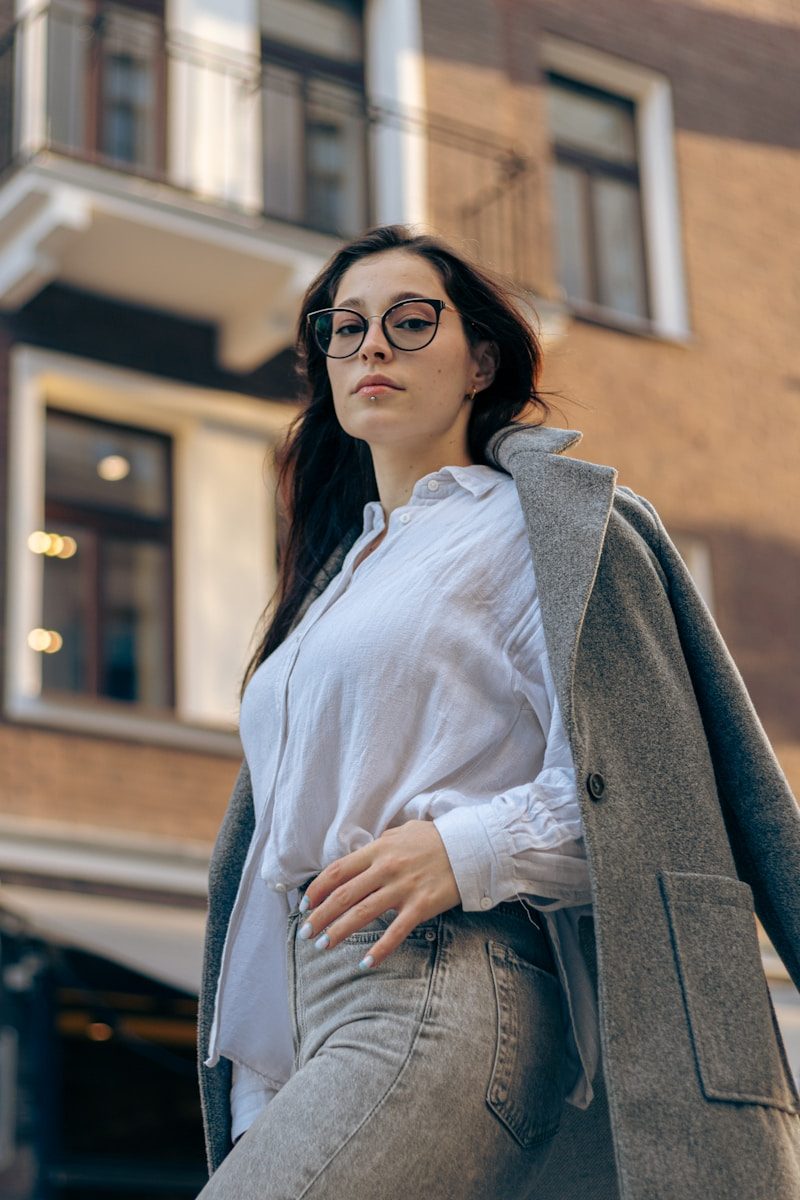
The foundation of a refined wardrobe begins with basics, but basics should never mean careless or dull. A good white shirt, well-cut trousers, straight-leg jeans, a black dress, a clean T-shirt, a soft knit, a blazer, and a versatile coat can become the backbone of countless outfits. The difference between ordinary basics and refined basics is usually fit, fabric, and finish. A white shirt that holds its shape, trousers that fall smoothly, and knitwear that feels soft instead of flimsy will always look more elevated than pieces chosen only because they are convenient.
Fit is one of the most important parts of modern dressing. Clothes do not need to be tight to look refined, and they do not need to be oversized to look current. What matters is proportion. A relaxed blazer looks elegant when balanced with slim trousers or a simple dress. Wide-leg pants feel modern with a tucked-in top or cropped jacket. A loose shirt can look effortless when the sleeves are rolled and the front is lightly tucked. Refinement often comes from small adjustments, not dramatic styling.
Color is another powerful tool. A refined wardrobe usually benefits from a strong neutral base. Black, white, ivory, gray, navy, camel, chocolate brown, beige, and denim shades are easy to mix, repeat, and layer. These colors create a calm foundation that makes dressing simpler. However, modern style does not have to be colorless. A wardrobe becomes more personal when it includes a few shades that feel distinctive to you. That might be deep burgundy, olive green, powder blue, soft pink, or rich red. The key is not to own every color, but to choose colors that work with what you already have.
Quality matters, but quality does not always mean luxury. A refined wardrobe is not about labels. It is about how clothes look, feel, and last. A well-made affordable shirt can be more useful than an expensive piece that does not suit your life. Before buying something, it helps to ask a few practical questions. Does the fabric feel good? Does it wrinkle badly in a way that bothers you? Can you wear it with at least three things you already own? Does it fit your real routine, not just an imaginary version of your life? The best wardrobe pieces are beautiful, but they are also useful.
A modern wardrobe also needs editing. Many people do not lack clothes; they lack clarity. A closet full of items that no longer fit, do not feel current, or do not match your lifestyle can make dressing harder. Refinement comes from removing the noise. This does not mean throwing everything away and starting again. It means looking honestly at what you actually wear. The pieces you reach for repeatedly are clues. They show what makes you comfortable, confident, and prepared. The pieces you avoid are also clues. They may reveal colors, cuts, fabrics, or styles that no longer belong in your wardrobe.
Once the wardrobe is edited, building outfit formulas becomes much easier. A refined modern wardrobe should support repeatable combinations. For example, a blazer, T-shirt, jeans, and loafers can work for casual days. A knit, tailored trousers, belt, and ankle boots can work for work or dinner. A slip skirt, sweater, and flats can feel elegant without being overdone. These formulas save time while still allowing variation. You can change the color, accessory, shoe, or outerwear and create a fresh look from the same structure.
Texture is often what makes a simple wardrobe feel expensive. If every piece is flat cotton or plain polyester, outfits can feel lifeless. Mixing textures creates depth. Denim with cashmere, leather with cotton, silk with wool, linen with gold jewelry, or suede with crisp shirting can turn basic clothing into a complete look. Texture is especially important when wearing neutral colors. An all-black outfit becomes more interesting when it includes a ribbed knit, leather belt, wool coat, and polished shoes. An ivory outfit feels richer when different fabrics create contrast.
Outerwear deserves special attention because it often defines the entire outfit. A refined wardrobe should include outerwear that suits your climate and lifestyle. A trench coat, wool coat, tailored blazer, leather jacket, denim jacket, or clean puffer can each serve a different purpose. The right coat can make a simple outfit look finished before anyone notices what is underneath. Since outerwear is worn often and seen first, it is worth choosing carefully. A coat with good structure, a flattering length, and a versatile color can elevate almost everything.
Shoes are equally important. A wardrobe cannot feel refined if the shoes do not support the clothes. This does not mean every shoe must be formal. Clean sneakers, loafers, ballet flats, ankle boots, sandals, and low heels can all look modern when chosen with intention. The shape of the shoe matters. Sleek footwear tends to make outfits look sharper, while overly worn or mismatched shoes can make even good clothes feel unfinished. A small shoe collection that covers daily life well is more valuable than many pairs that rarely work.
Accessories complete the wardrobe, but they should not overwhelm it. A refined modern look often relies on thoughtful details: a leather belt, simple gold or silver jewelry, a structured bag, sunglasses, a scarf, or a watch. Accessories help shift the mood of basic outfits. A white shirt and jeans feel different with a woven tote than with a polished shoulder bag. A black dress can feel minimal with small hoops or dramatic with a sculptural cuff. The best accessories feel connected to your style rather than added at the last minute.
Modern refinement also includes comfort. Old ideas of dressing well often involved stiffness: uncomfortable shoes, restrictive clothes, and outfits that looked good only when standing still. Today, true style makes room for movement. Clothes should allow you to live your day. They should work while sitting, walking, traveling, eating, working, and relaxing. A wardrobe that looks elegant but feels impossible will not serve you for long. Ease is not the opposite of refinement. In many cases, ease is what makes refinement believable.
Trends can have a place in a refined wardrobe, but they should be treated as accents, not instructions. A trendy bag shape, shoe, color, or jewelry piece can refresh classic clothing. The mistake is letting trends take over the entire wardrobe. When every piece is tied to one moment, the closet quickly feels outdated. A modern wardrobe stays current by updating small details while keeping the foundation strong. This allows your style to evolve without needing constant replacement.
Personal style is the final layer. A refined wardrobe should not feel like a showroom or a list of approved essentials. It should feel lived in. Maybe you love oversized shirts, vintage jewelry, soft tailoring, monochrome outfits, romantic blouses, strong boots, or delicate flats. These preferences matter. They keep the wardrobe from becoming too perfect or impersonal. Refinement is not about removing character. It is about presenting character with clarity.
Building a refined and modern wardrobe is ultimately an act of self-knowledge. It asks you to notice what you wear, what you avoid, what fits your life, and what makes you feel most like yourself. It is less about having more and more about choosing better. With strong basics, thoughtful colors, good proportions, useful accessories, and a willingness to edit, a wardrobe becomes easier, calmer, and more expressive.
The goal is not to look dressed up every day. The goal is to look considered. Whether you are wearing jeans and a sweater or a dress and heels, your clothes should feel connected, comfortable, and intentional. That is the quiet confidence of a refined modern wardrobe: it does not shout for attention, but it always leaves an impression.