

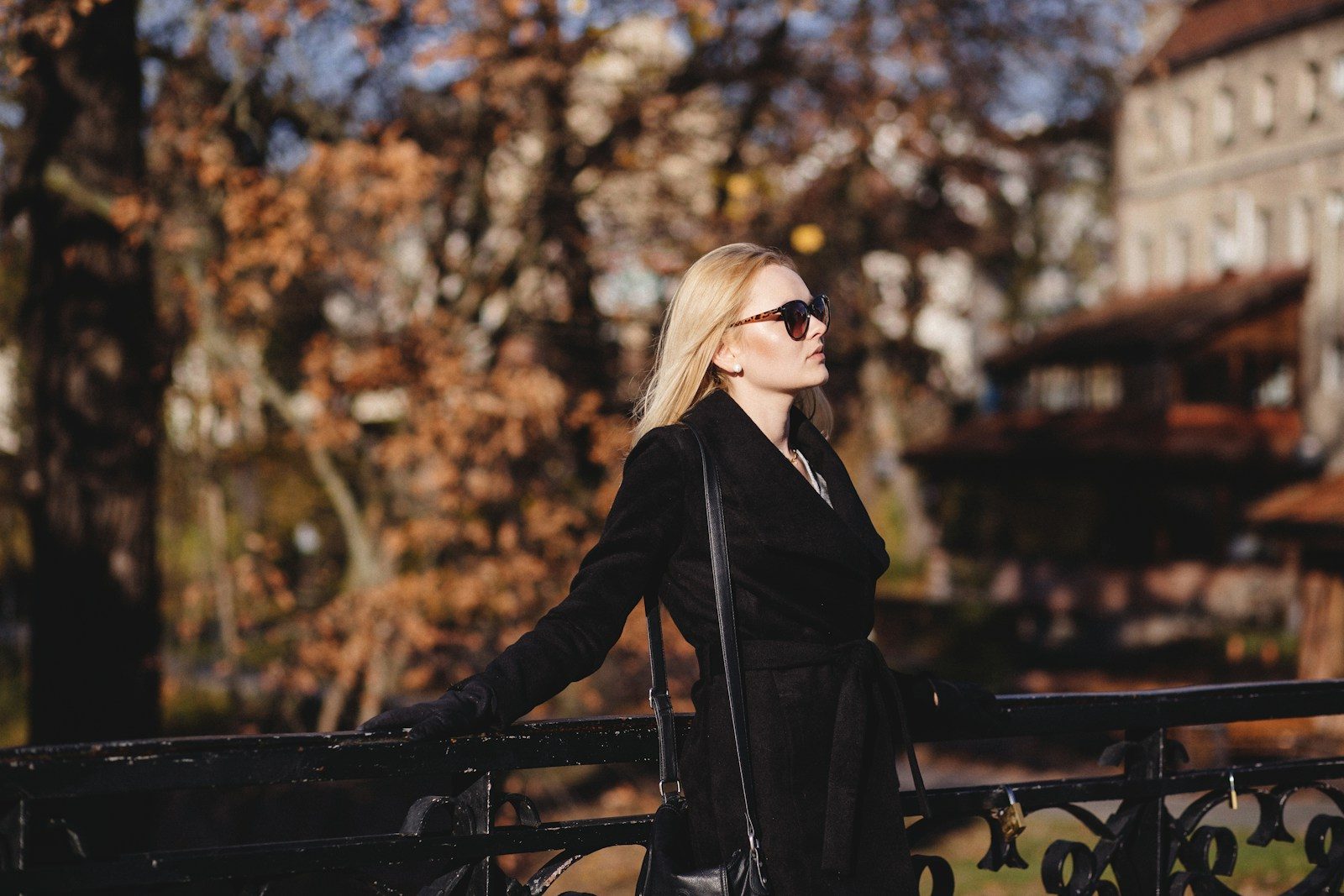
Looking polished does not mean looking formal, stiff, or dressed for an event that nobody else knew about. In modern style, the most appealing outfits often sit somewhere between casual and refined. They look intentional, but not forced. They feel comfortable, but not careless. They suggest that the person wearing them knows what works, pays attention to detail, and understands the quiet power of simplicity. The art of looking polished without overdressing is really about balance.
Many people think that to look put together, they need to add more: more jewelry, more layers, higher heels, stronger makeup, or a dressier jacket. Sometimes those things work, but polish is not always created by adding. Often, it comes from editing. A clean silhouette, a good fit, a neat finish, and one thoughtful accessory can do more than an outfit full of statement pieces. The goal is not to look like you tried for hours. The goal is to look like you understand your style well enough to make easy choices.
Fit is the first secret. Even the simplest clothes can look elevated when they fit properly. A white shirt that sits neatly at the shoulders, trousers that fall cleanly, jeans that hold their shape, and a blazer that gives structure without squeezing the body can make an outfit look instantly more refined. Clothes do not need to be tight to look polished. In fact, slightly relaxed shapes often feel more modern. The important thing is that the outfit looks considered. Nothing should pull, sag, drag, or overwhelm the body.
Fabric condition matters just as much as fit. A basic T-shirt can look chic when it is clean, smooth, and made from a fabric with a nice weight. A sweater looks more expensive when it is free from pilling. A pair of trousers looks sharper when the creases are intentional rather than messy. Looking polished often begins before getting dressed: steaming clothes, removing lint, checking for loose threads, and making sure shoes are clean. These small habits create the kind of finish that makes an outfit look complete without making it look fancy.
Color is another quiet tool. Neutral tones are useful because they naturally create calm, refined outfits. Black, white, cream, gray, navy, camel, olive, and chocolate brown can be mixed easily and tend to look elegant without much effort. A monochrome outfit, such as all black, all cream, or different shades of gray, can feel especially polished because it creates a clean visual line. This does not mean color should be avoided. A soft blue shirt, burgundy bag, red flat, or green knit can bring personality. The trick is to let color have a purpose instead of letting too many shades compete at once.
A polished outfit usually has one clear direction. It might be relaxed tailoring, clean minimalism, soft femininity, or casual city style. When every piece belongs to the same general mood, the look feels intentional. For example, straight-leg jeans, a tucked white tee, loafers, a belt, and a blazer create a casual-polished outfit that works for lunch, errands, or a casual meeting. A slip skirt with a fine knit and flat sandals feels elegant but not overdressed. Wide-leg trousers with a tank top and simple jewelry look easy, yet refined. None of these outfits are dramatic, but they all have structure.
Layering helps create polish when it is done with restraint. A blazer over a T-shirt, a cardigan over a tank, a trench coat over denim, or a button-down shirt worn open over a simple base can add depth without making the outfit heavy. The most successful layers have different textures and shapes. A crisp cotton shirt under a soft sweater, a leather jacket over a satin skirt, or a tailored coat over relaxed denim creates contrast. That contrast is what makes the outfit interesting without needing loud prints or complicated styling.
Shoes are one of the fastest ways to make an outfit look more polished without making it too formal. Loafers, ballet flats, sleek sneakers, ankle boots, pointed flats, and simple sandals can all elevate casual pieces. The key is condition and shape. A clean, minimal sneaker can look smarter than a tired heel. A flat shoe with a pointed toe can make jeans feel more refined. A loafer can turn simple trousers into an outfit. Shoes do not need to be uncomfortable to be stylish. They simply need to support the overall mood.
Accessories should feel thoughtful rather than excessive. A slim belt, small hoops, a simple chain, a watch, or a structured bag can bring an outfit together. Jewelry is especially effective when it looks intentional. One or two pieces worn consistently can become part of a personal signature. A clean bag also makes a difference. Even if the outfit is casual, a structured shoulder bag or neat crossbody can add polish. Accessories should not fight with the outfit. They should finish it.
Hair and grooming also influence how polished an outfit feels. This does not require a complicated hairstyle or full makeup. Sometimes it is as simple as smooth hair, a clean part, neat nails, moisturized skin, or a fresh lip balm. These details create a sense of care. A very casual outfit can look stylish when the grooming feels fresh. On the other hand, even a beautiful outfit can look unfinished if the small details are ignored.
The best polished outfits often include one relaxed element. This is what prevents them from looking overdressed. A blazer feels easier with denim. A satin skirt feels more modern with a knit. Tailored trousers feel less serious with sneakers. A crisp shirt feels cooler when the sleeves are rolled. A dress feels more natural with flat sandals or a simple cardigan. The relaxed element makes the outfit livable. It tells people that you are dressed well, but not dressed up beyond the moment.
Proportion is another important part of the equation. If everything is oversized, the outfit may lose shape. If everything is fitted, it may feel too controlled. Mixing proportions creates ease. A loose shirt with slim trousers, a fitted tank with wide-leg pants, or an oversized coat over a simple column of clothing can look elegant without trying too hard. The eye needs balance. Once the proportions work, the outfit feels more expensive and more natural.
Looking polished without overdressing is also about understanding the setting. What feels perfect for a dinner may feel too much for a coffee run. What works for the office may feel stiff on the weekend. The most stylish people adjust without losing themselves. They know how to soften formal pieces and sharpen casual ones. They might wear trousers instead of leggings, but pair them with sneakers. They might wear a dress, but keep the accessories minimal. They might add a blazer, but choose one with a relaxed shape.
Confidence is the final detail. When someone looks comfortable in their clothes, the outfit automatically feels better. Polish should not feel like a costume. It should feel like a clearer, more refined version of everyday style. The best outfits allow movement, comfort, and personality. They do not require constant adjusting or worrying.
In the end, looking polished without overdressing is not about owning perfect clothes. It is about making thoughtful choices. Choose good fits. Keep fabrics fresh. Balance casual pieces with refined ones. Pay attention to shoes, bags, and small accessories. Edit instead of overloading. Let one detail speak at a time. When these habits become natural, style becomes easier. You can walk into almost any setting looking appropriate, confident, and quietly elegant without ever feeling like you have done too much.