

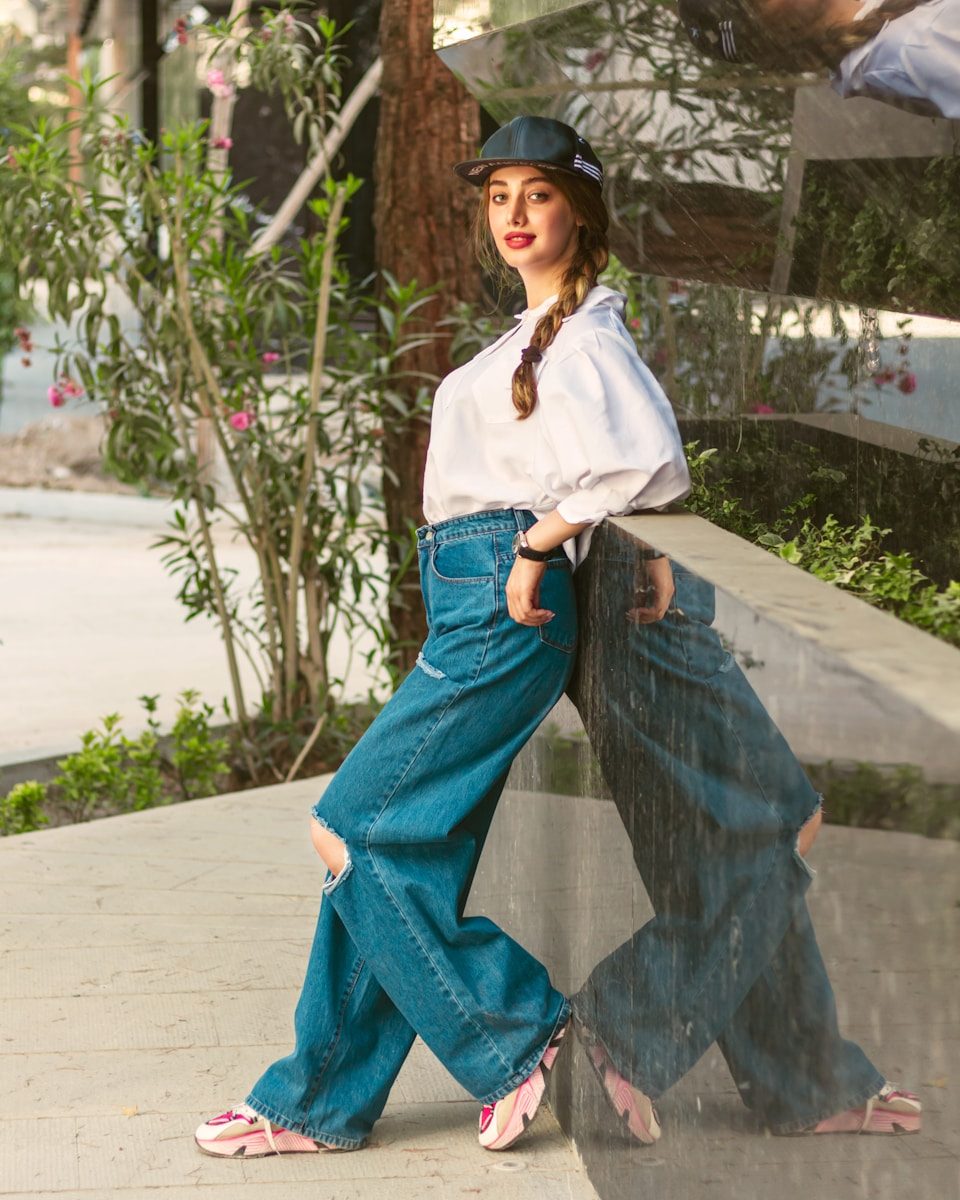
Street style has always been about more than simply getting dressed. It is the place where practicality meets personality, where comfort is allowed to look cool, and where everyday pieces can feel unexpectedly fresh. One of the easiest ways to create that modern street look is through layering. Layering gives an outfit depth, movement, and character without requiring a closet full of dramatic statement pieces. A plain T-shirt, a relaxed shirt, a hoodie, a blazer, or a light jacket can all become more interesting when they are worn together with intention.
The beauty of layering is that it does not have to feel complicated. In fact, the best street looks often appear relaxed, as though the wearer threw them together naturally. The trick is to make each layer feel useful while still contributing to the overall shape of the outfit. A modern layered look should not feel heavy or overly styled. It should feel easy, wearable, and suited to real life.
A strong layered outfit usually begins with a simple base. A fitted tank top, a crisp white T-shirt, a long-sleeve tee, or a thin knit can create a clean starting point. This first layer matters because it sets the tone for everything else. For a sharper street look, a plain black or white base works well. For something softer, a ribbed top or neutral knit can add texture without drawing too much attention. The base should be comfortable enough to wear on its own but simple enough to support the pieces added over it.
Once the base is chosen, the second layer is where personality starts to appear. An oversized button-down shirt is one of the most useful layering pieces because it works across seasons and styles. Worn open over a tank top, it creates an easy, casual line. Buttoned halfway, it feels slightly more polished. Tied around the waist, it adds movement and gives the outfit a relaxed city feel. Striped shirts, denim shirts, flannel shirts, and crisp cotton styles all bring a different attitude, but each can make a simple outfit feel more complete.
Hoodies and sweatshirts are also essential in modern street layering. They add comfort, volume, and a casual edge. A hoodie under a leather jacket, trench coat, denim jacket, or oversized blazer instantly creates contrast. The hood peeking out at the back adds shape, while the soft fabric keeps the outfit grounded. This mix of relaxed and structured pieces is one of the strongest formulas in street fashion. It makes the look feel balanced rather than too formal or too lazy.
Outerwear is often the layer that defines the whole outfit. A bomber jacket creates a sporty mood, while a trench coat adds length and drama. A denim jacket feels classic, a leather jacket feels bold, and an oversized blazer brings a smart city edge. The key is to consider proportion. If the lower half of the outfit is loose, such as wide-leg jeans or cargo pants, a cropped jacket can keep the look balanced. If the outfit underneath is slim, a long coat or oversized jacket can add a stronger silhouette.
Texture is another important part of layering. A modern street look becomes much more interesting when different materials are combined. Cotton with denim, leather with knitwear, nylon with fleece, or wool with jersey all create visual contrast. Even when the outfit stays within a simple color palette, texture keeps it from looking flat. For example, a white T-shirt, gray hoodie, black leather jacket, and faded jeans may use basic colors, but the mix of soft, smooth, and worn-in surfaces gives the outfit energy.
Color can be handled in two easy ways. The first is to build around neutrals. Black, white, gray, navy, beige, olive, and denim blue are reliable because they layer well together. A neutral outfit can still feel modern if the shapes are strong and the textures are varied. The second approach is to add one clear color accent. This might be a red cap, a green shirt under a jacket, a bright bag, or colorful sneakers. Keeping the color focused prevents the outfit from feeling busy.
One of the simplest layering ideas is the long-over-short formula. This means pairing a longer piece with a shorter one to create dimension. A longline T-shirt under a cropped jacket, a long coat over a hoodie, or an oversized shirt under a shorter vest can all make the outfit look more intentional. Visible hems, cuffs, collars, and hoods are small details, but they make layering feel natural rather than hidden.
Vests are another underrated layering tool. A padded vest over a hoodie creates a sporty streetwear look, while a tailored vest over a T-shirt feels more polished. A utility vest can add pockets and structure, especially when worn with cargo pants or relaxed denim. Because vests leave the arms free, they are practical for transitional weather and easy to style without feeling bulky.
Layering is also useful for making basic clothes look more stylish. A plain T-shirt and jeans can become a full outfit with the addition of an open shirt, a structured jacket, and a good pair of shoes. A simple black dress can feel more street-ready with a cropped hoodie, oversized coat, and chunky sneakers. Even sweatpants can look considered when paired with a fitted top, sharp outerwear, and clean accessories.
Accessories are not clothing layers in the traditional sense, but they work in the same way. A beanie, cap, scarf, crossbody bag, belt, sunglasses, or layered jewelry can add another level to the outfit. In street style, accessories often give the look its final attitude. A cap can make a tailored coat feel less serious. A small shoulder bag can make oversized clothing look more styled. A scarf can add color and movement without changing the whole outfit.
Footwear is just as important because it anchors the layers. Chunky sneakers, loafers, boots, and retro trainers all change the mood of an outfit. A layered hoodie and coat combination feels casual with sneakers, tougher with boots, and more unexpected with loafers. Modern street style often works because it mixes pieces that do not seem too perfectly matched. The shoes can either support the outfit’s casual mood or create contrast.
The easiest way to avoid over-layering is to check the outfit’s shape. A good layered look should still have a clear outline. Too many oversized pieces can swallow the body, while too many tight pieces can look flat. A balanced outfit might include a slim base layer, a loose middle layer, and a structured outer layer. Another option is an oversized top half with straighter or slimmer bottoms. The goal is not to follow strict rules but to make the outfit feel wearable.
Seasonal layering also matters. In spring, a tank top with an open shirt and lightweight jacket is enough. In autumn, a long-sleeve tee, hoodie, and trench coat create warmth without heaviness. In winter, thermal tops, knitwear, padded jackets, scarves, and boots can build a look that is practical but still stylish. In summer, layering can be as light as a loose shirt over a vest or a thin mesh top under a sleeveless dress.
What makes layering feel modern is the sense of ease. The outfit should look like it belongs in daily life: walking through the city, meeting friends, running errands, or heading to a casual dinner. Street style is strongest when it feels personal rather than copied. A layered look does not need to be perfect. A slightly oversized shirt, a visible sleeve, a half-zipped jacket, or a casually tucked hem can make the outfit feel more alive.
Ultimately, easy layering is about using what you already own in more creative ways. It allows basic pieces to work harder and gives simple outfits a stronger point of view. With the right mix of proportion, texture, color, and comfort, layering can turn everyday clothes into a modern street look that feels effortless, practical, and full of personality.