

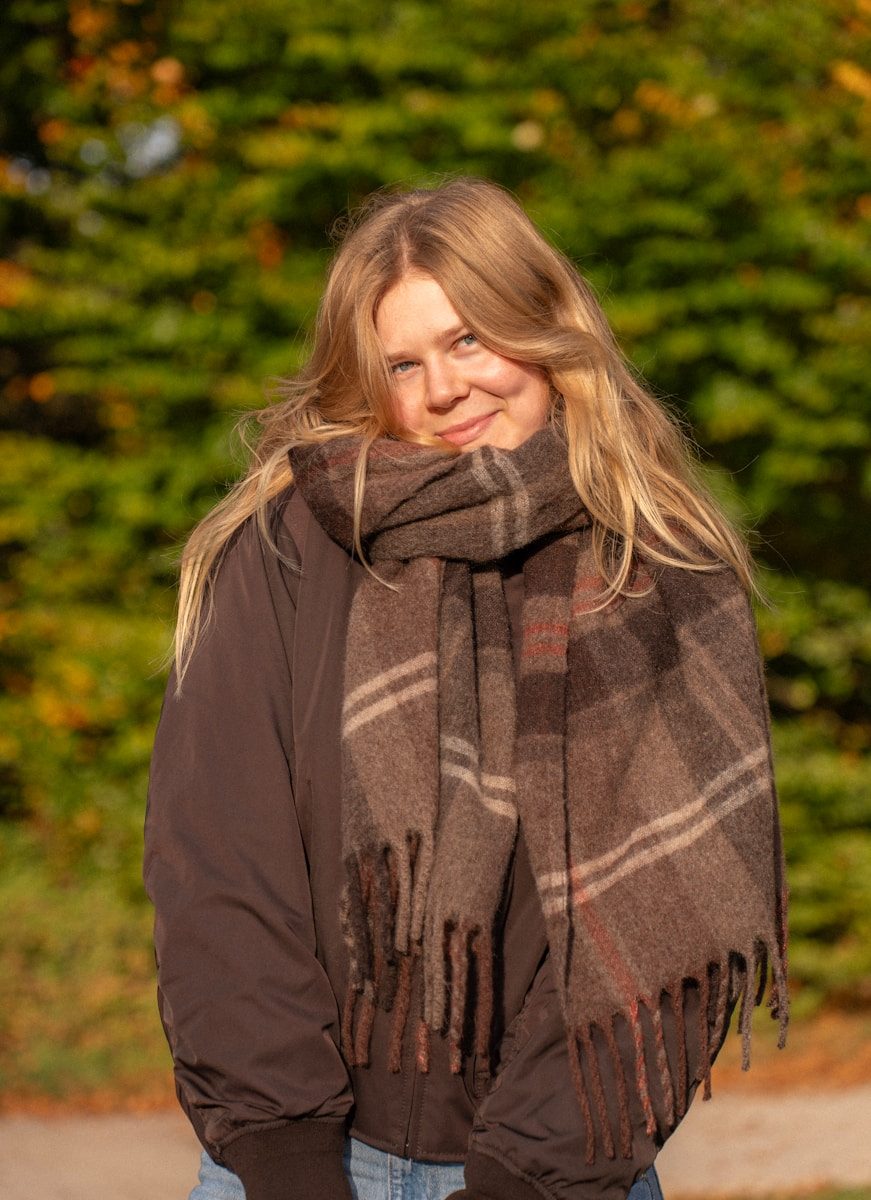
Every season brings its own mood before it brings a new wardrobe. The light changes, the air feels different, and suddenly the colors that looked perfect a few months ago may feel a little flat. This is why seasonal dressing is not only about buying new clothes or following every trend. It is about noticing what feels right now. Sometimes that means reaching for warmer shades, softer fabrics, brighter accents, or richer textures. Other times, it means finding fresh ways to wear the pieces you already own. Colors and textures are two of the easiest ways to shift your style without completely changing your closet.
One of the most wearable seasonal updates is moving beyond basic neutrals. Black, white, gray, and beige will always be useful, but a wardrobe becomes more interesting when neutrals have depth. Instead of plain beige, try oat, sand, caramel, mushroom, or warm ivory. Instead of basic gray, look for charcoal, dove, stone, or soft silver. Brown is especially strong because it can feel both classic and modern. Chocolate, espresso, chestnut, cinnamon, and taupe all bring warmth without being loud. These shades work beautifully with denim, cream, black, navy, and even pastels. They also make simple outfits feel more expensive because they create a softer, richer palette.
Seasonal color does not always need to be bright. Deep, grounded colors often feel more practical and more elegant. Burgundy, forest green, navy, plum, rust, mustard, and deep teal are useful because they bring personality while still behaving like neutrals. A burgundy sweater can be worn with black trousers, blue jeans, or a cream skirt. A forest green coat can make a simple outfit feel more thoughtful. A rust scarf can warm up a gray or navy look. These colors are easy to repeat because they do not shout for attention. They simply add mood.
For those who enjoy lighter colors, soft shades can feel refreshing. Powder blue, butter yellow, pale pink, mint, lavender, and creamy peach can brighten an outfit without making it look too sweet. The trick is to pair them with more grounded colors. A pale blue shirt looks sharp with dark denim. Butter yellow feels chic with gray or brown. Soft pink becomes more modern with black, navy, or olive. Pastels are often treated as delicate, but they can look sophisticated when worn with strong silhouettes and clean accessories.
Color blocking is another way to make seasonal dressing feel current. It does not have to mean wearing bold blocks of red, blue, and green all at once. A more wearable version might be chocolate brown with pale blue, burgundy with blush, olive with cream, gray with butter yellow, or navy with rust. These combinations feel fresh because they are unexpected but not chaotic. The easiest way to try color blocking is to keep the shapes simple. A sweater and trousers, a dress and coat, or jeans and a jacket can become more interesting just through color.
Monochrome dressing remains one of the simplest ways to look polished. Wearing one color family from head to toe makes even casual pieces feel intentional. An all-cream outfit looks soft and elegant. All gray feels calm and modern. All brown looks rich and grounded. All black is timeless, but it becomes more interesting when different textures are involved. The secret to monochrome dressing is not perfect matching. In fact, slight differences in shade often make the outfit look better. Cream, ivory, and beige together can feel warmer than one flat tone. Charcoal, silver, and soft gray together can create depth.
Texture is what gives seasonal dressing its real character. A plain outfit can look completely different when the fabrics change. Cotton feels clean and casual. Satin feels smooth and romantic. Wool feels warm and classic. Leather feels sharp. Suede feels soft and expensive. Denim feels relaxed. Knitwear feels comforting. When textures are mixed thoughtfully, even the simplest color palette becomes interesting. A white shirt, wool trousers, leather belt, and suede shoes can create a quiet but memorable outfit. None of the pieces are loud, but together they have dimension.
Knitwear is one of the most reliable textures to try when the weather cools or when you want an outfit to feel softer. Ribbed knits, chunky sweaters, fine cardigans, knitted dresses, and sweater vests can all add warmth and shape. A ribbed top under a blazer feels sleek. A thick cardigan over a slip skirt feels cozy but feminine. A soft knit dress with boots can work for day or evening. The key is to pay attention to proportion. Chunky knits often look best with cleaner bottoms, while fitted knits pair well with wide-leg trousers or fuller skirts.
Satin and silk-inspired fabrics are perfect for adding contrast. They catch the light and bring a sense of ease to heavier seasonal pieces. A satin skirt with a sweater, a silky blouse with denim, or a slip dress under a long coat can make an outfit feel refined without being too formal. These textures are especially useful because they move beautifully. They soften structured clothing and add a gentle shine that feels more elegant than obvious sparkle.
Leather and faux leather are stronger textures that can instantly change the attitude of an outfit. Leather trousers, a structured jacket, a sleek skirt, or even a simple belt can make basic pieces feel sharper. Black leather is classic, but brown, burgundy, cream, and olive leather can feel more unexpected. The best way to wear leather in real life is to balance it with softer fabrics. Leather pants with a knit sweater, a leather jacket over a cotton dress, or a leather skirt with a simple shirt can feel stylish without looking harsh.
Suede is another texture worth trying because it adds softness and depth. Suede boots, bags, jackets, and belts have a quiet richness that works especially well with warm colors. A suede bag in tan, chocolate, or olive can make jeans and a sweater look more polished. Suede shoes can soften tailored trousers. A suede jacket can replace a denim or leather jacket when you want something relaxed but elevated. Because suede has a matte finish, it pairs beautifully with shiny jewelry, smooth leather, and crisp cotton.
Sheer and lightweight fabrics can also be part of seasonal dressing, even outside warm weather. A sheer blouse under a blazer, a mesh layer under a knit, or a chiffon scarf can add lightness to heavier outfits. These textures are useful because they create contrast without adding bulk. They also make evening looks feel more delicate. The important thing is to keep the styling balanced. Sheer pieces look most wearable when paired with structured or modest items, such as trousers, long skirts, jackets, or simple tanks underneath.
Denim should not be forgotten when talking about texture. It is one of the most practical fabrics in any wardrobe, but it can still feel seasonal depending on the wash and styling. Light denim feels casual and bright. Dark denim feels cleaner and more polished. Washed black denim adds edge. Cream denim feels fresh and modern. Denim jackets, skirts, shirts, and jeans can all be used to ground more dramatic colors or textures. A satin blouse becomes more relaxed with jeans. A colorful sweater feels easier with denim. A leather jacket looks more natural when paired with a worn-in denim base.
Accessories are often the easiest way to test new colors and textures. A bold bag, suede boot, silk scarf, woven belt, metallic shoe, or colorful pair of sunglasses can refresh an outfit without requiring a full commitment. If you are unsure about a color, wear it in a small dose first. Try burgundy through a bag, butter yellow through a scarf, silver through shoes, or olive through a cap. Accessories allow experimentation while keeping the rest of the outfit familiar.
Prints can also work when they are treated as texture rather than decoration. Subtle stripes, checks, animal prints, tweed patterns, and woven designs can add movement to simple outfits. A checked coat over plain basics, a striped sweater with neutral trousers, or a leopard-print belt with denim can create interest without overwhelming the look. The most wearable prints usually include colors already found in the rest of the outfit, which helps everything feel connected.
The best seasonal dressing is not about replacing your entire wardrobe. It is about making small shifts that match the moment. A new color combination, a richer neutral, a softer knit, a suede accessory, a satin skirt, or a deeper shade of denim can change how your clothes feel. Colors bring emotion, while textures bring depth. Together, they make outfits feel alive.
Trying seasonal colors and textures should feel playful, not pressured. You do not need to wear every trend or abandon your personal style. Start with what already feels natural, then add one new element at a time. If your wardrobe is mostly black, try charcoal, burgundy, or silver. If you love neutrals, experiment with suede, ribbed knits, or satin. If your outfits feel too plain, add color through accessories. Style becomes more interesting when it responds to the season but still feels like you. That is the real beauty of dressing now: finding small changes that make everyday outfits feel fresh again.