

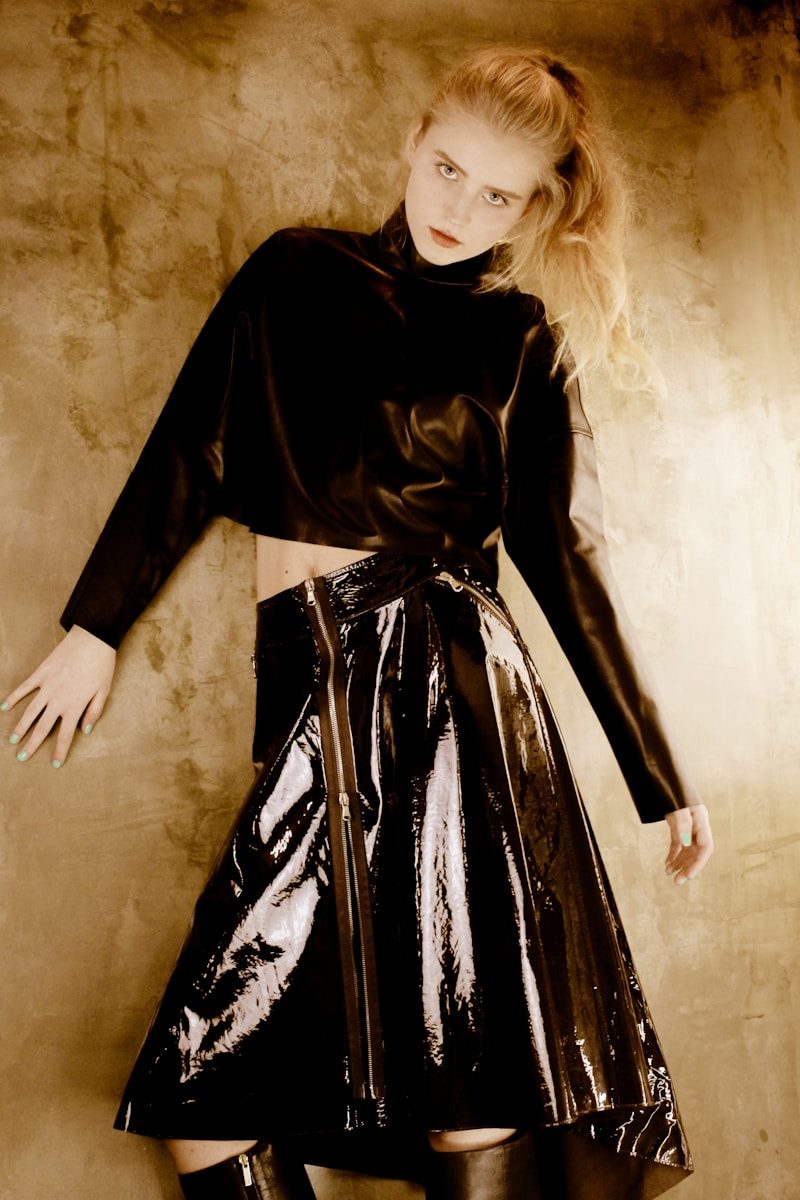
Looking expensive is not always about wearing expensive clothes. In fact, some of the most polished outfits are built from simple, affordable pieces that are styled with care. The difference often comes down to habits rather than price tags. A plain white shirt can look refined or careless depending on how it fits, how it is pressed, what it is paired with, and how confidently it is worn. A pair of jeans can look ordinary, or it can look sharp with the right shoes, belt, and jacket. Style is rarely about one magic item. It is usually about a series of small choices that make the whole look feel intentional.
The first habit that makes any outfit look more expensive is paying attention to fit. Clothes do not need to be tight to look polished, but they should look like they belong on your body. Sleeves that fall correctly, trousers that sit at the right length, and jackets that rest well on the shoulders can change everything. Even casual pieces look better when the proportions are right. An oversized blazer can look chic when the shoulders are structured and the sleeves are slightly pushed up. Wide-leg trousers look elegant when they skim the floor without dragging. A T-shirt looks cleaner when the neckline and shoulder seams sit properly. Fit is the quiet foundation of expensive-looking style.
Tailoring is one of the most underrated style habits. Many people think tailoring is only for suits or formal dresses, but small adjustments can make everyday clothes look much better. Hemming trousers, shortening sleeves, taking in a waist, or adjusting a dress strap can make a piece look custom. This does not mean every item in a wardrobe needs professional work. It simply means noticing when a good piece is almost right and giving it the extra attention it needs. A moderately priced garment that fits beautifully will often look more refined than an expensive one that fits poorly.
Another important habit is keeping clothes in excellent condition. Wrinkles, lint, loose threads, pilling, faded black fabric, and worn-out shoes can make even a strong outfit look neglected. Expensive-looking style depends heavily on maintenance. Steaming a shirt, brushing a coat, cleaning sneakers, polishing leather shoes, and removing pills from knitwear are small actions, but they have a major visual effect. Clothes do not have to be new, but they should look cared for. There is a difference between relaxed and careless, and maintenance is what separates the two.
Choosing a controlled color palette also helps an outfit feel more refined. Neutral shades such as black, white, cream, gray, navy, camel, brown, and olive often look polished because they mix easily and create a calm impression. This does not mean color should be avoided. Color can look very expensive when it is used with intention. A rich burgundy sweater, a deep green bag, a pale blue shirt, or a soft butter-yellow knit can add personality without overwhelming the look. The habit is not dressing only in beige. It is making sure the colors work together rather than fighting for attention.
Monochrome dressing is one of the easiest ways to create a more elevated outfit. Wearing one color family from head to toe makes the look feel smooth and considered. An all-black outfit can look sleek, but so can cream, navy, gray, chocolate brown, or soft white. The secret is mixing textures so the outfit does not appear flat. A wool coat, cotton shirt, leather belt, and tailored trousers in similar tones can create quiet depth. Monochrome dressing looks expensive because it simplifies the eye. Nothing feels random.
Fabric choice matters as well. Certain materials naturally look more polished than others. Cotton poplin, wool, linen, silk, satin, leather, suede, cashmere, and structured denim tend to hold shape and texture beautifully. Synthetic fabrics are not always bad, but shiny, thin, clingy materials can sometimes make an outfit look cheaper than it is. The habit is learning to notice how fabric behaves. Does it wrinkle instantly? Does it cling in the wrong places? Does it hold its shape after washing? Does it feel good against the skin? A wardrobe becomes stronger when fabric quality becomes part of the decision-making process.
A polished outfit also benefits from balance. If the top is oversized, the bottom may need a cleaner shape. If the trousers are wide, a fitted or tucked-in top can create structure. If the outfit is very simple, stronger accessories can add interest. If the clothing already has drama, accessories can stay minimal. Expensive-looking style often feels calm because nothing appears accidental. Each piece has a role, and the outfit has a clear shape. Balance prevents the look from feeling messy, even when the pieces are casual.
Shoes can either elevate an outfit or bring it down immediately. A simple outfit with clean, well-kept shoes almost always looks better than a trendy outfit with worn-out footwear. Loafers, ankle boots, sleek flats, minimal sneakers, pointed heels, and simple sandals can all look polished when they are maintained well. The habit is checking shoes before leaving the house. Are they scuffed? Are the soles dirty? Do they match the tone of the outfit? Shoes sit at the bottom of the body, but they carry a lot of visual weight. They tell people whether the outfit was finished thoughtfully.
Accessories are another place where small habits make a big difference. A structured bag, simple belt, clean sunglasses, delicate jewelry, or a classic watch can make ordinary clothes feel more complete. The most expensive-looking accessories are not always the most decorative. Often, they are the cleanest and most useful. A black leather belt with simple hardware, a smooth shoulder bag, small gold or silver hoops, and a pair of flattering sunglasses can work across many outfits. Accessories should support the look, not overcrowd it.
One useful habit is removing one unnecessary detail before leaving the house. If an outfit feels too busy, it often looks less expensive. Too many logos, too many competing colors, too much jewelry, or too many trend pieces can make the look feel scattered. Polished style usually leaves breathing room. This does not mean outfits must be boring. It means choosing a focus. Maybe the focus is a strong coat. Maybe it is a beautiful bag. Maybe it is a pair of earrings or a great pair of trousers. When one element leads, the whole outfit feels more confident.
Grooming also plays a role in expensive-looking style. Hair, nails, skin, and fragrance all affect the impression of an outfit. This does not mean everything must be perfect or high-maintenance. A neat bun, clean nails, moisturized skin, or a fresh scent can make even jeans and a T-shirt feel more polished. The goal is not to look overly done. It is to look cared for. Style does not stop at clothing. The person wearing the outfit is part of the presentation.
Layering with intention is another habit that instantly improves an outfit. A blazer over a T-shirt, a trench over knitwear, a button-down under a sweater, or a coat draped over the shoulders can add dimension. However, layers should look deliberate. Visible collars, cuffs, hems, and textures can make layering feel stylish. Bulky, mismatched layers can make it feel unplanned. The most refined layered outfits usually combine structure with softness, such as a crisp shirt under a relaxed cardigan or a hoodie under a tailored coat.
Investing in better basics is also helpful. Basics are worn often, so they have a large effect on daily style. A good white T-shirt, sharp button-down, flattering jeans, tailored trousers, simple knit, and clean blazer can do more for a wardrobe than several dramatic pieces that only work once. When basics look good, outfits become easier. You can add a bag, belt, jewelry, and shoes, and the look already feels strong. Expensive style is often built on ordinary pieces chosen carefully.
Confidence may sound less practical than tailoring or color, but it matters. Clothes look better when the wearer looks comfortable in them. Constantly adjusting a neckline, pulling at a skirt, or walking awkwardly in painful shoes can make even a beautiful outfit feel wrong. Expensive-looking style has ease. It suggests that the clothes fit not only the body but also the life of the person wearing them. Choosing comfort is not the opposite of style. It is often what allows style to look natural.
The most important habit is editing. A polished wardrobe is not built by owning everything. It is built by knowing what works and letting go of what does not. When your closet is full of pieces that fit well, suit your lifestyle, and mix easily, getting dressed becomes simpler. You stop forcing outfits and start building them. Every piece has more purpose, and every look feels more intentional.
Ultimately, making an outfit look expensive is about care, clarity, and restraint. It is about fit, fabric, color, maintenance, balance, and thoughtful finishing touches. These habits do not require a luxury budget. They require attention. A simple outfit can look refined when the shirt is pressed, the trousers fit, the shoes are clean, and the accessories are chosen well. True polish is quiet. It does not need to announce itself. It simply makes everything look considered, confident, and complete.