

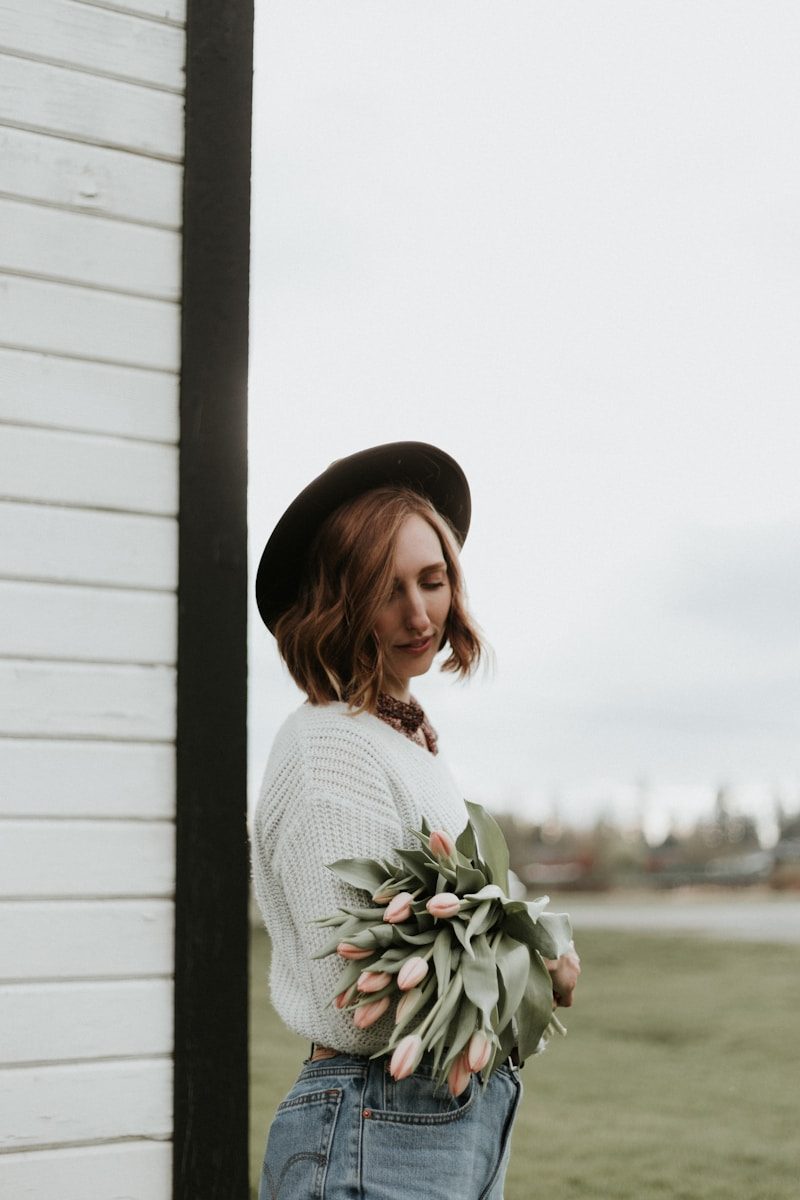
Changing weather can make getting dressed feel like a guessing game. The morning may begin with cool air and gray skies, the afternoon may turn warm and bright, and by evening the temperature may drop again. One day feels like the end of winter, the next feels almost like summer, and suddenly the clothes that worked perfectly last week seem too heavy, too light, or simply wrong. Transitional dressing is the art of preparing for that in-between space without overthinking every outfit.
The best transitional outfits are built around flexibility. They should allow you to add, remove, tie, button, unzip, or layer pieces throughout the day. This does not mean carrying half your wardrobe with you. It means choosing clothes that work together in smart, simple ways. A light jacket, a breathable knit, a classic shirt, a pair of comfortable trousers, and shoes that can handle unpredictable conditions can make changing weather much easier to manage.
Layering is the foundation of transitional style. A basic T-shirt under a button-down shirt, a thin sweater over a tank, or a cardigan under a trench coat can create an outfit that adjusts naturally as the temperature changes. The goal is not to look bulky. It is to create soft, useful layers that can be removed without ruining the outfit. A white tee, straight-leg jeans, loafers, and an oversized shirt worn open is a perfect example. It feels casual and light during warmer hours, but the shirt adds just enough coverage when the air cools.
A trench coat is one of the most reliable pieces for changing weather. It is lighter than a winter coat but more polished than a casual jacket. It can be worn over jeans, dresses, trousers, skirts, or even joggers. A beige trench over a striped top and denim creates a timeless everyday look. A black trench with wide-leg pants and sneakers feels more urban and modern. Because a trench coat has structure, it makes even simple outfits look intentional. It also protects against wind and light rain, which makes it practical as well as stylish.
Cardigans are another transitional essential because they offer comfort without heaviness. A cropped cardigan works well over dresses or high-waisted trousers, while a longer cardigan can soften jeans and a tank top. The best part about a cardigan is how easy it is to style throughout the day. Button it fully when it is chilly, wear it open when it warms up, or tie it over your shoulders when you do not need it. A cardigan in cream, gray, navy, or soft brown can become one of the most useful pieces in an in-between-season wardrobe.
Denim also plays a major role in transitional outfits. Jeans are dependable because they are neither too delicate nor too formal. Straight-leg, relaxed, or wide-leg denim can work across many temperatures depending on what you wear with them. On cooler days, pair jeans with ankle boots, a thin knit, and a jacket. On warmer days, switch to sneakers or ballet flats with a cotton shirt. Denim jackets are useful too, especially when layered over dresses, skirts, or lightweight trousers. They bring a casual ease that suits spring, early autumn, and unpredictable mild days.
For those who prefer a more polished look, tailored trousers are a smart alternative to jeans. They feel lighter and more refined but still practical. A pair of black, beige, gray, or olive trousers can be worn with a fitted tank and blazer, a tucked-in T-shirt and cardigan, or a lightweight sweater and loafers. Transitional dressing often depends on balance, and tailored trousers offer exactly that. They can make a simple top look more elegant while still feeling comfortable enough for everyday wear.
Dresses do not need to disappear when the weather is uncertain. In fact, they can be some of the easiest pieces to transition between seasons. A midi dress with a denim jacket and ankle boots works beautifully when it is not quite warm enough for sandals. A slip dress layered over a thin turtleneck feels creative and practical during cooler months. A shirt dress can be worn with bare legs in warm weather or with tights and boots when the temperature drops. Dresses become more versatile when you stop thinking of them as single-season pieces.
Skirts offer the same flexibility. A satin skirt with a sweater and sneakers creates a soft, modern look. A denim skirt with a striped top and trench coat feels casual but pulled together. A pleated skirt with a lightweight knit and loafers can move from work to weekend easily. When the weather changes, footwear and outerwear can transform the mood of the same skirt. That is the secret to transitional dressing: the main piece can stay the same, while the layers around it adjust.
Footwear is especially important during unpredictable weather. Heavy winter boots may feel too much, but open sandals may not be practical yet. This is where loafers, ankle boots, clean sneakers, ballet flats, and closed-toe mules become useful. Loafers look polished with jeans, trousers, and skirts. Sneakers make layered outfits feel relaxed and easy. Ankle boots add structure and warmth without feeling too heavy. The right shoes should feel comfortable enough for walking and sturdy enough for sudden changes in weather.
Color also helps shift a wardrobe between seasons. Transitional outfits often look best when they mix deeper tones with lighter shades. For example, a chocolate brown jacket with cream trousers feels softer than a full winter palette. A navy sweater with white jeans creates a fresh but grounded look. Olive, camel, gray, ivory, denim blue, black, and soft pastels can all work together during changing weather. You do not need to dress completely for the season that is ending or the one that is arriving. The most stylish looks often sit somewhere between the two.
Fabric choice matters just as much as color. Cotton, denim, light wool, linen blends, fine knits, satin, and soft twill are excellent for transitional dressing. They offer enough coverage without trapping too much heat. A thick wool sweater may feel wrong on a mild afternoon, but a fine knit can be perfect. A heavy coat may be unnecessary, but a cotton jacket or blazer can provide just enough warmth. Choosing breathable fabrics helps you stay comfortable even when the day changes direction.
Accessories can make transitional outfits more practical. A lightweight scarf adds warmth in the morning but can be removed later. Sunglasses help when cloudy skies suddenly turn bright. A roomy tote can hold an extra layer. A belt can give shape to loose layers, making the outfit look styled rather than thrown together. Even socks can become part of the look. Visible socks with loafers or sneakers can make an outfit feel thoughtful while adding a bit of warmth.
One of the easiest transitional outfit formulas is a T-shirt, jeans, light jacket, and comfortable shoes. It sounds simple, but the details make it stylish. Choose a jacket with shape, jeans that fit well, and shoes that feel clean and intentional. Another reliable formula is a midi dress, cardigan, and ankle boots. It is feminine, practical, and easy to adjust. A third option is tailored trousers, a tank top, and a blazer. This works especially well for days that begin cool but become warmer by afternoon.
The key is to avoid extremes. Outfits that are too heavy can feel uncomfortable by midday, while outfits that are too light can leave you cold by evening. Transitional dressing works best when every piece has a purpose. A jacket should be easy to carry. A sweater should be light enough to layer. Shoes should suit the weather and the amount of walking you expect. When each item supports the day, the whole outfit feels effortless.
Changing weather does not have to make style difficult. It can actually make dressing more creative because it invites mixing: summer dresses with boots, sweaters with skirts, light coats over T-shirts, and soft knits with relaxed trousers. These combinations feel modern because they are practical and personal at the same time.
Ultimately, easy transitional outfits are about dressing for movement, comfort, and possibility. They prepare you for the cool morning, the sunny afternoon, and the breezy evening without making you feel overpacked or underdressed. With the right layers, useful fabrics, comfortable shoes, and a few thoughtful accessories, changing weather becomes less of a problem and more of a chance to dress with quiet confidence.