

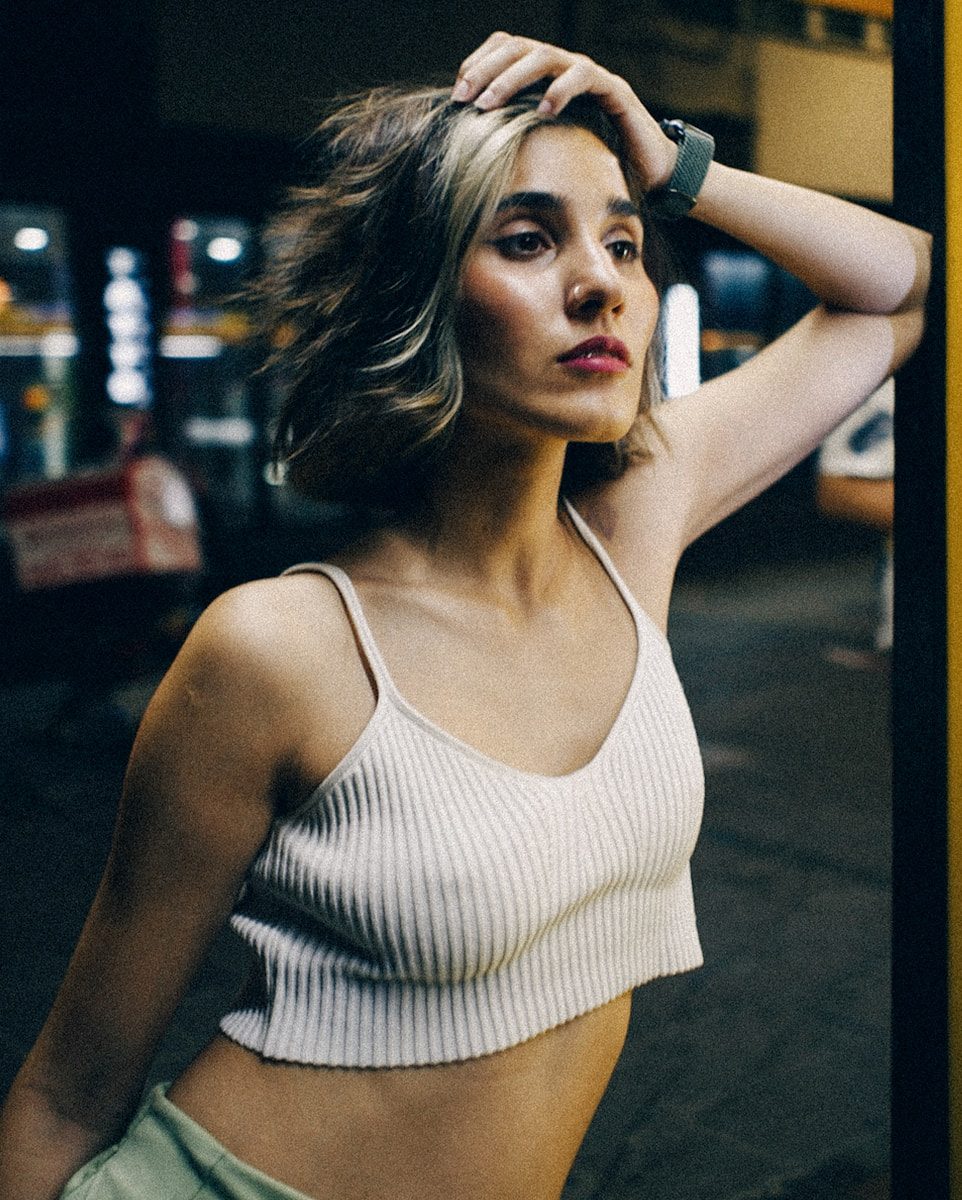
Basic clothes have a strange reputation. On one hand, everyone owns them. A plain white T-shirt, a pair of jeans, a black sweater, a button-down shirt, simple trousers, clean sneakers, a neutral cardigan—these pieces sit quietly in almost every wardrobe. On the other hand, many people look at them and feel uninspired, as if basic clothing automatically means boring clothing. The truth is different. Basic clothes are not the problem. They are the blank canvas. What makes them stylish is not always the item itself, but the way it is chosen, combined, shaped, and finished.
Style rarely depends on wearing the loudest piece in the room. In many cases, the most memorable outfits are built from ordinary garments that have been handled with care. A white shirt can look plain when thrown on carelessly, but it can look elegant when slightly oversized, half-tucked into tailored trousers, and paired with a strong belt. A simple black dress can feel flat on its own, but with gold earrings, textured shoes, and a confident coat, it becomes quietly striking. The difference lies in intention.
The first step in making basic clothes look more stylish is paying attention to fit. A basic item has nowhere to hide. Since it does not rely on dramatic patterns, heavy embellishment, or unusual colors, the shape becomes important. A T-shirt that sits well on the shoulders, a blazer that skims the body without pulling, or jeans that fall at the right length can instantly make an outfit look more refined. This does not mean everything must be tight or perfectly tailored. Oversized clothing can be stylish too, but it should look deliberate rather than accidental. A loose shirt with slim trousers feels balanced. Wide-leg pants with a fitted tank create contrast. Proportion is often what separates effortless style from a rushed outfit.
Color also plays a major role. Basic clothes are often associated with neutrals, and neutrals are powerful when used well. Black, white, gray, navy, beige, cream, brown, and denim shades can create outfits that feel calm and expensive. A full neutral outfit can look especially polished when the tones are slightly varied. For example, cream trousers with a white shirt and a camel coat create more depth than one flat color from head to toe. Mixing warm and cool neutrals can also make a simple outfit feel considered. The goal is not to make every outfit complicated, but to make it look layered enough to hold interest.
Texture is another secret weapon. When clothes are basic in design, texture brings them to life. A cotton T-shirt with denim is fine, but a cotton T-shirt with a wool coat, leather belt, suede bag, or ribbed cardigan feels much richer. Texture gives the eye something to notice. Linen looks relaxed, satin looks smooth, leather looks sharp, knitwear looks cozy, and crisp cotton looks clean. Even if the outfit is built from only two or three pieces, mixing textures can make it feel complete.
Layering is one of the easiest ways to upgrade basic clothing. A tank top and jeans may feel too simple, but add an open button-down shirt and the outfit gains movement. A plain sweater becomes more interesting when a white collar peeks out underneath. A basic dress can change completely with a blazer, trench coat, denim jacket, or long cardigan. Layering does not have to mean piling on clothes. Sometimes it is as subtle as wearing a T-shirt under a slip dress or tying a sweater over the shoulders. The best layers look relaxed but useful, as if they belong there.
Accessories can completely change the mood of basic clothes. A simple outfit gives accessories more room to speak. A plain black top and trousers can become elegant with sculptural earrings and pointed flats. The same outfit can become casual with a baseball cap and sneakers. A belt can define the waist, a silk scarf can add color, sunglasses can bring attitude, and a structured bag can make even jeans and a T-shirt feel polished. The mistake many people make is adding too many accessories at once. One or two strong details are usually enough. Style often improves when the eye knows where to land.
Shoes are especially important because they set the tone of an outfit. Basic clothes can shift from relaxed to chic depending on footwear. Straight-leg jeans with running sneakers feel casual, while the same jeans with loafers feel classic. A plain midi skirt with ballet flats feels soft, while with boots it feels stronger. Clean shoes matter too. Even simple sneakers look better when they are well cared for. A basic outfit can survive simple clothing, but it rarely survives neglected footwear.
Another useful styling trick is the tuck. It sounds small, but it changes everything. A full tuck looks neat and intentional. A half tuck feels relaxed and modern. Leaving a shirt untucked can work if the proportions are right, especially with slimmer bottoms or a longer jacket. Rolling sleeves, cuffing jeans, leaving a few buttons open, or pushing up a blazer sleeve can also make basics feel styled rather than simply worn. These small adjustments create personality.
A stylish basic outfit often has one focal point. That focal point does not need to be dramatic. It might be a bold belt, a red lip, a vintage bag, a sharp coat, or a pair of interesting shoes. The rest of the outfit can stay quiet. This is why basics are so useful: they allow one detail to shine without competition. A white T-shirt and blue jeans become memorable when paired with a leopard-print flat or a beautiful oversized blazer. A gray sweater and black trousers become more personal with a silver necklace or a colorful scarf.
Grooming also affects how basic clothes appear. This does not mean looking perfect. It simply means the overall presentation matters. Steamed clothes, brushed hair, clean nails, and fresh-looking shoes can make the simplest outfit look purposeful. Wrinkled basics often look tired, while crisp basics look elevated. Even a plain shirt feels better when it is clean, pressed, and worn with confidence. The same applies to fabric quality. A basic piece does not have to be expensive, but it should not look worn out beyond repair. Replacing faded black tops, stretched necklines, and pilled sweaters can make a wardrobe feel new again.
Personal style comes from repetition, not constant shopping. When people look stylish in basic clothes, it is often because they understand their own outfit formulas. They know which jeans fit best, which neckline flatters them, which jacket pulls everything together, and which shoes they reach for again and again. A wardrobe full of basics becomes powerful when the pieces work together. Instead of chasing every trend, it helps to build a small collection of reliable items: a great white shirt, good denim, tailored trousers, a quality knit, a versatile jacket, a simple dress, and shoes that match your lifestyle.
Trends can still be part of the equation, but they work best in small doses. A trendy color, current shoe shape, modern bag, or updated sunglasses can refresh basic clothes without overwhelming them. This approach also makes trends easier to wear. Rather than buying an entire outfit that may feel outdated quickly, you can use one modern piece to update what you already own. A basic wardrobe is not the opposite of fashion; it is the foundation that lets fashion feel wearable.
Confidence is the final ingredient. Basic clothes reveal how someone carries themselves. A simple outfit worn with hesitation may disappear, while the same outfit worn with ease can look elegant. Style is partly visual, but it is also attitude. It shows in the way sleeves are rolled, the way a coat is worn, the way someone chooses comfort without looking careless. The best outfits do not look like costumes. They look like the person wearing them understands themselves.
Making basic clothes look stylish is not about forcing simplicity to become exciting. It is about noticing the small choices that give clothing character. Fit, proportion, texture, color, accessories, shoes, grooming, and confidence all work together. A wardrobe does not need to be full of statement pieces to feel stylish. Sometimes the most powerful style begins with the quietest clothes—the ones waiting to be shaped by a good eye and a little intention.