
Dressing up should feel good. It should make you stand a little taller, move with more confidence, and feel like you made an effort without turning yourself into someone else. Yet for many people, the idea of dressing up comes with a strange pressure. The moment an outfit becomes slightly more elegant, there is a fear of looking too formal, too stiff, too flashy, or as if you tried too hard. That fear is understandable. Nobody wants to arrive at a dinner, office event, date, party, or casual gathering feeling like they misunderstood the mood of the room.
The good news is that dressing up does not have to mean wearing sequins, tight clothes, towering heels, heavy makeup, or a full look that feels uncomfortable after ten minutes. The most stylish dressed-up outfits often have restraint. They are polished but still relaxed, thoughtful but not theatrical. The goal is not to look like you are attending a red-carpet event every time you leave the house. The goal is to look like the best, most intentional version of yourself.
The first rule is to upgrade one part of your outfit at a time. When every piece is trying to be special, the outfit can quickly feel too much. But when one element is elevated and the rest stays simple, the look feels balanced. For example, a satin blouse with relaxed jeans can look elegant without feeling formal. Tailored trousers with a plain tank top feel modern and easy. A sleek black dress with flat sandals feels chic but not dramatic. This kind of contrast is what keeps dressed-up outfits from becoming overdone. You are not building a costume; you are adding polish to real-life clothes.
Fabric is one of the easiest ways to look more dressed up without changing your personal style. A simple shape in a beautiful fabric often looks better than a complicated design in a cheap one. Cotton can feel casual, but silk, satin, linen, wool, crepe, leather, suede, or a fine knit instantly changes the mood. A plain button-down shirt in crisp cotton can look sharp. A basic skirt in satin feels evening-ready. A soft cashmere sweater can make even simple trousers look luxurious. You do not need loud details when the material already has presence.
Fit also matters more than decoration. Clothes that sit well on the body naturally look more refined. A blazer that shapes the shoulders, trousers that fall cleanly, a dress that skims rather than squeezes, or a shirt that tucks without bunching can make an outfit look considered. Dressing up should not feel like fighting with your clothes all day. If you are constantly pulling down a hem, adjusting a neckline, or worrying about movement, the outfit is not serving you. The best dressed-up looks allow you to breathe, sit, walk, eat, and live normally.
One reason people feel overdone is because they choose pieces that do not match their usual rhythm. If you never wear heels, suddenly wearing very high heels may make you feel awkward no matter how beautiful they are. If you usually dress in soft neutrals, a bright metallic outfit may feel like too big a jump. Dressing up works best when it grows naturally from your everyday style. Someone who loves minimal outfits might dress up with clean lines, monochrome colors, and sculptural jewelry. Someone who enjoys romantic clothing might choose soft fabrics, delicate details, or a pretty blouse. Someone with a casual style might dress up through better denim, a sharp jacket, and polished shoes. Elegance does not have one personality.
Color can help you find the right balance. Neutral shades are especially useful when you want to look polished without looking loud. Black, ivory, navy, gray, camel, chocolate brown, and soft beige can make an outfit feel sophisticated even when the pieces are simple. A black slip skirt with a cream sweater, navy trousers with a white shirt, or a camel coat over jeans can look quietly expensive. If you enjoy color, you can still keep the look grounded by choosing one strong shade rather than several competing ones. A red shoe, green bag, blue blouse, or burgundy lip can add interest without overwhelming the outfit.
Accessories are powerful, but they should be chosen with care. When dressing up, it is easy to think more is more: bigger earrings, layered necklaces, a statement bag, a belt, sunglasses, and dramatic shoes all at once. Sometimes that works, but often it creates visual noise. A more reliable approach is to choose one main accessory moment. Let the earrings shine, or let the bag stand out, or let the shoes carry the outfit. A simple gold hoop, a slim watch, a silk scarf, or a structured clutch can do more than a pile of accessories that compete with each other. Restraint often reads as confidence.
Shoes can completely change how dressed up an outfit feels. The right shoes can make casual clothes feel elevated, while the wrong shoes can make formal clothes feel uncomfortable or forced. Fortunately, dressing up does not require painful footwear. Loafers, ballet flats, kitten heels, pointed flats, sleek boots, block-heel sandals, and clean minimal sneakers can all look polished depending on the outfit. The key is condition and shape. Shoes that are clean, well-kept, and intentional make a stronger impression than shoes chosen only because they are technically formal.
Another useful trick is to mix relaxed and refined pieces. This is the heart of looking dressed up without feeling overdone. A blazer feels less serious with a T-shirt underneath. A dress feels less precious with flat shoes. Tailored trousers feel cooler with a simple knit. A silky skirt feels easier with a button-down shirt left slightly open at the collar. These combinations create tension in the best way. They say you made an effort, but you are not trapped inside the outfit.
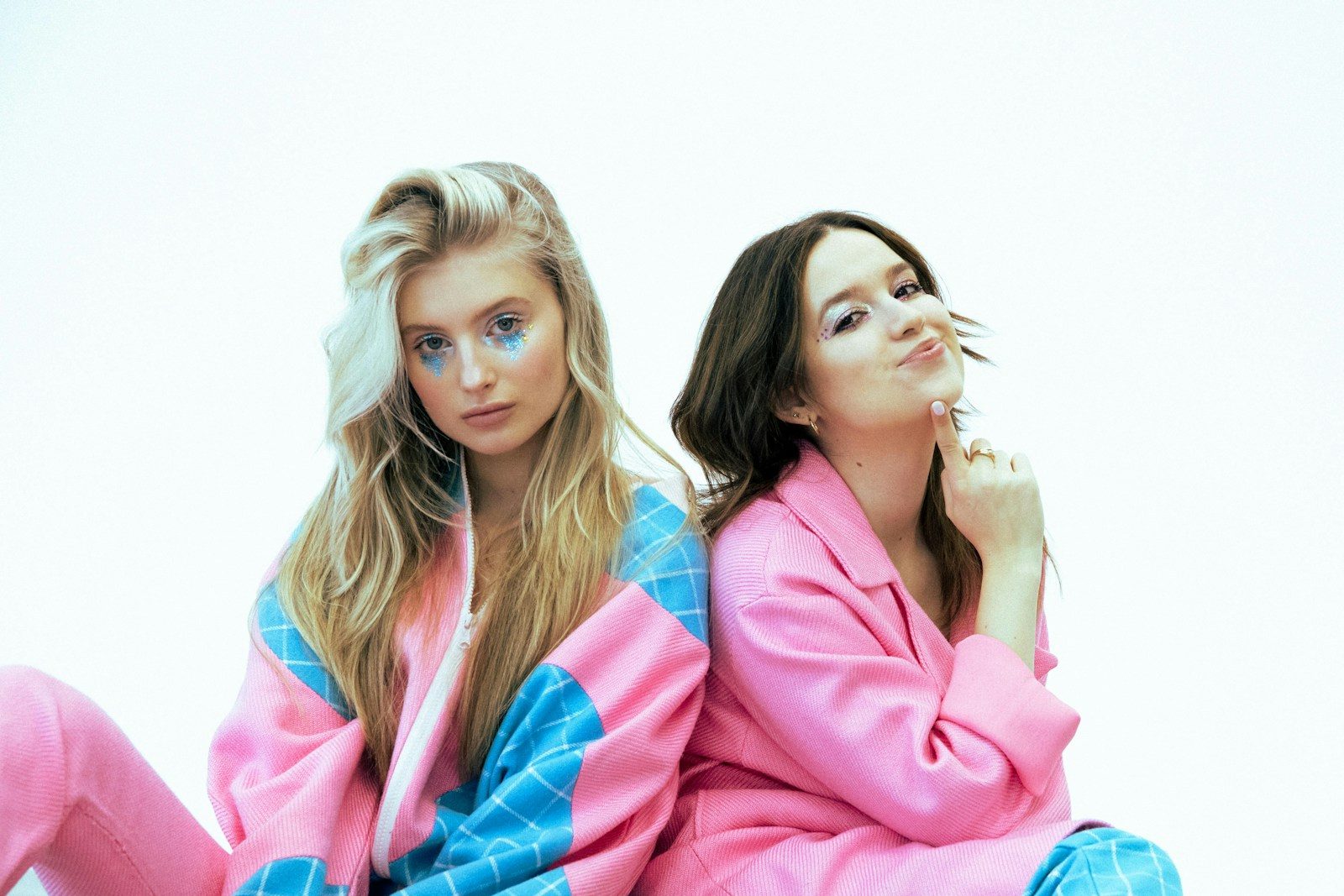
Hair and makeup can follow the same principle. You do not need a full glam look just because your outfit is dressier. In fact, relaxed hair or simple makeup can make an elegant outfit feel fresher. A low bun, loose waves, brushed brows, a clean complexion, or one bold lip can be enough. When the clothes are polished, slightly undone beauty details can keep the overall effect modern. The reverse also works: a very simple outfit can feel dressed up with red lipstick or a sleek hairstyle. Balance is everything.
Layering is another way to soften a dressed-up look. A beautiful coat, oversized blazer, cardigan, or trench can make an outfit feel complete while also making it less exposed. Many people feel overdone because their outfit feels too bare, too tight, or too obviously “special occasion.” Adding a layer brings ease. A slip dress under a blazer feels less delicate. A fitted top under a relaxed jacket feels more wearable. A party skirt with a sweater feels stylish rather than overly formal.
The setting should also guide your choices. Dressing up for a restaurant dinner is different from dressing up for a wedding, a work event, or a casual birthday party. Instead of asking, “What is the fanciest thing I can wear?” ask, “What would feel appropriate, comfortable, and a little more polished than usual?” This question helps avoid extremes. It leaves room for effort without pushing the outfit into performance. Looking good is not only about the clothes; it is also about looking like you understand the moment.
Personal comfort should never be treated as the enemy of style. A person who feels at ease usually looks better than someone wearing an outfit they do not trust. That does not mean staying in the safest clothes forever, but it does mean choosing elegance that feels livable. A soft blouse, a flattering trouser, a comfortable dress, or a pair of shoes you can actually walk in will always be more stylish than something that only looks good in a mirror for thirty seconds.
The best dressed-up outfits have a sense of effortlessness, but that does not mean no effort was involved. It means the effort was edited. The outfit has been considered, but not overloaded. The details are intentional, but not shouting. There is space for the person to come through. That is why a simple black dress, a perfect white shirt, a great pair of trousers, or a clean blazer can be more powerful than a complicated look full of trends.
Dressing up without feeling overdone is really about knowing when to stop. Add the polished piece, but keep something relaxed. Choose the jewelry, but do not wear every favorite piece at once. Wear the elegant shoes, but make sure you can move. Pick the beautiful fabric, but let the shape stay simple. When an outfit feels balanced, you do not have to keep explaining it to yourself. You simply wear it.
In the end, dressing up should not feel like leaving your real self behind. It should feel like turning the volume up slightly. A little sharper, a little softer, a little more refined, a little more intentional. The most memorable style is rarely the most overworked. It is the kind that looks polished, comfortable, and alive—the kind of outfit that makes people notice you first, and the clothes second.