
An expensive-looking outfit is not always about designer labels, luxury logos, or a closet full of new clothes. In many cases, the difference between an ordinary outfit and a polished one comes down to small details. These details are easy to overlook because they are not always dramatic. They do not shout for attention. Instead, they quietly make an outfit look cleaner, more intentional, and more refined. A simple shirt can look elevated when it is steamed and tucked well. A basic coat can look more luxurious when the buttons are neat and the shoulders fit properly. Even jeans and a T-shirt can look expensive when the proportions, accessories, and finishing touches are right.
The first detail that changes everything is fit. Clothes do not need to be tight to look polished, but they do need to look like they belong on your body. A blazer that sits correctly on the shoulders, trousers that skim rather than drag, and sleeves that stop at the right point instantly make an outfit feel more considered. Even affordable clothes can look high-end when the fit is clean. On the other hand, expensive clothing can look careless if it pulls, gaps, bunches, or hangs awkwardly. Tailoring is one of the most powerful style tricks because it makes clothes look chosen rather than random. A small hem adjustment or waist alteration can make a basic piece look custom.
Fabric condition is another major factor. Wrinkles, pilling, faded black fabric, loose threads, and stretched necklines can make an outfit look tired, even if the styling idea is good. Expensive-looking outfits usually have a sense of freshness. This does not mean every piece has to be brand new. It means the clothes are cared for. A lint roller, fabric shaver, steamer, and careful washing routine can do more for personal style than another impulse purchase. A clean white shirt, a smooth knit, and crisp trousers create an impression of quiet luxury because they show attention.
Color coordination also plays a big role. Outfits often look more expensive when the colors feel calm and intentional. Neutrals such as black, cream, gray, navy, camel, white, and chocolate brown are easy to combine in a polished way. Monochrome dressing is especially effective because it creates a long, clean line. Wearing different shades of the same color can make even simple pieces feel sophisticated. A cream sweater with ivory trousers, a charcoal coat with gray denim, or a black top with tailored black pants can look refined without much effort. The secret is not avoiding color completely, but making sure the colors work together rather than compete.
One small detail that instantly improves an outfit is the way clothing is layered. Good layering creates depth without bulk. A crisp shirt under a knit, a thin turtleneck under a blazer, or a long coat over a simple base can make an outfit feel richer. The key is paying attention to weight and shape. A heavy sweater under a narrow jacket may look uncomfortable, while a fine knit under structured outerwear looks smooth. Layering also helps create contrast. A soft satin blouse under a wool coat, a white tee under a black blazer, or a cashmere-style knit with denim can make familiar pieces feel more elevated.
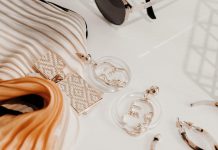
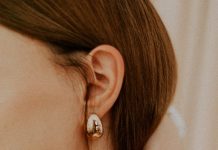
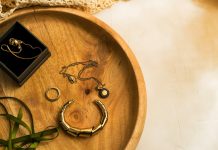
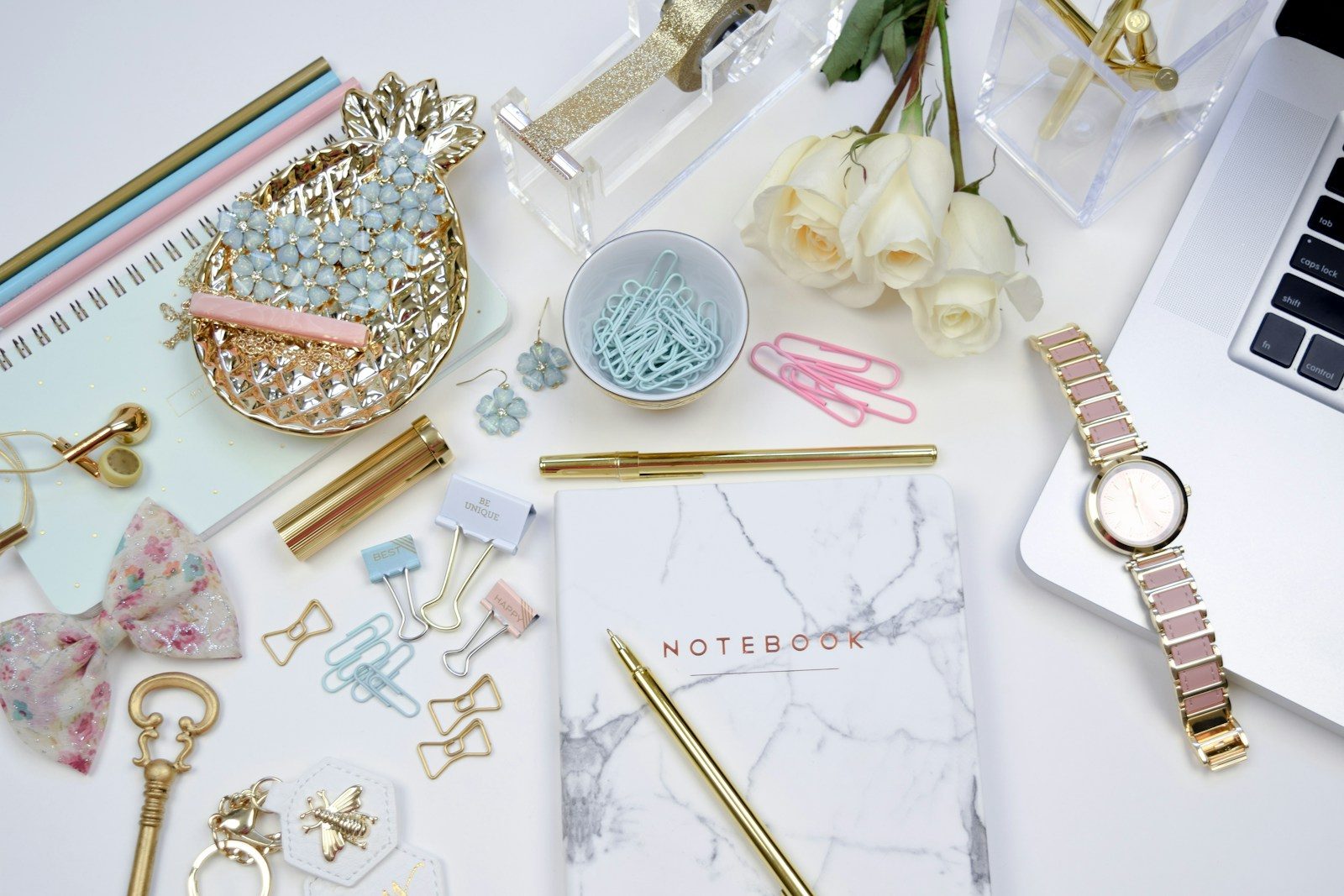
Accessories are often where an outfit becomes expensive-looking. A simple belt with clean hardware can define the waist and make trousers look sharper. Jewelry does not have to be costly, but it should look deliberate. Small gold hoops, a simple chain, a watch, pearl studs, or a sculptural ring can add polish without overwhelming the outfit. The mistake is wearing too many unrelated accessories at once. A refined look usually has a clear direction. The metal tones match or complement each other, the pieces do not fight for attention, and each accessory feels like it belongs.
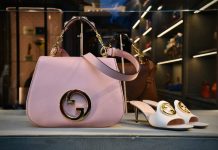
Bags and shoes carry more visual weight than people realize. A worn-out bag, scuffed shoes, or messy straps can bring down an otherwise strong outfit. Clean, structured bags often make outfits look more expensive, even when the rest of the clothing is casual. A simple shoulder bag, top-handle bag, or sleek crossbody in black, brown, cream, or burgundy can add maturity to everyday looks. Shoes should be clean and in good condition. Polished loafers, minimal sneakers, pointed flats, ankle boots, and elegant sandals can all look elevated when they are cared for. The style matters less than the condition and proportion.
Buttons, zippers, and hardware are tiny details that can affect the whole outfit. Cheap-looking buttons can make a coat, cardigan, or blazer feel less refined. Replacing plastic buttons with tortoiseshell, horn-effect, matte black, pearl-like, or metal buttons can change the mood of a garment immediately. Hardware on bags, belts, and shoes should also feel cohesive. When gold, silver, and colored hardware appear randomly throughout an outfit, the look can feel busy. When hardware is consistent, the outfit feels more intentional.
A neat tuck can also make a huge difference. The way a shirt, sweater, or T-shirt is tucked changes the shape of the body and the balance of the outfit. A full tuck can look sharp with trousers. A half tuck can make jeans feel relaxed but styled. A smooth bodysuit or fitted top under wide-leg pants can create a clean line. The goal is not to follow one rule every time, but to avoid unnecessary bunching. A thoughtful tuck can make even basic clothing look styled rather than simply worn.
Proportion is another detail that separates polished outfits from ordinary ones. Expensive-looking style often has balance. If the top is oversized, the bottom may be slimmer or more structured. If the trousers are wide, the top may be tucked, cropped, or fitted. If the coat is long and dramatic, the pieces underneath may stay simple. Playing with proportion makes an outfit look designed. It prevents basic clothes from feeling flat and gives the eye a clear shape to follow.
Grooming details matter too, not in a perfectionist way, but in a finishing-touch way. Hair, nails, makeup, and fragrance all contribute to the overall impression. A clean hairstyle, moisturized hands, neat nails, or a soft lip color can make an outfit feel complete. This does not mean full glam is required. In fact, understated beauty often pairs beautifully with expensive-looking style. The aim is to look cared for, not overly done.
Texture is one of the easiest ways to create a rich look. Outfits become more interesting when they combine different surfaces: wool with leather, silk with denim, cotton with suede, ribbed knit with smooth tailoring. Even when the colors are simple, texture adds depth. A black outfit with a cotton shirt, leather belt, wool coat, and polished shoes looks more expensive than a flat black outfit made from similar fabrics. Texture gives the outfit dimension and makes it feel thoughtfully assembled.
The most important detail, however, is restraint. Expensive-looking outfits rarely include every trend at once. They usually have a sense of editing. One statement piece is enough. One strong color moment is enough. One beautiful accessory can do more than five competing ones. Restraint does not mean boring. It means knowing when to stop. A simple outfit with excellent fit, clean lines, good shoes, and one elegant accessory will almost always look more refined than an outfit overloaded with details.
Looking expensive is really about looking intentional. It is about wearing clothes that are clean, cared for, well-fitted, and styled with attention. It is not about hiding personality or only wearing neutrals. It is about making small choices that help the whole outfit feel complete. Steam the shirt. Polish the shoes. Check the hem. Choose the right belt. Keep the bag structured. Edit the jewelry. Balance the proportions. These are small actions, but together they create a powerful impression.
In the end, expensive-looking style is less about money and more about awareness. The most polished outfits are often built from simple pieces handled well. When the details are right, even everyday clothing can look elevated. A basic outfit becomes elegant, a casual look becomes chic, and personal style starts to feel effortless in the best possible way.